
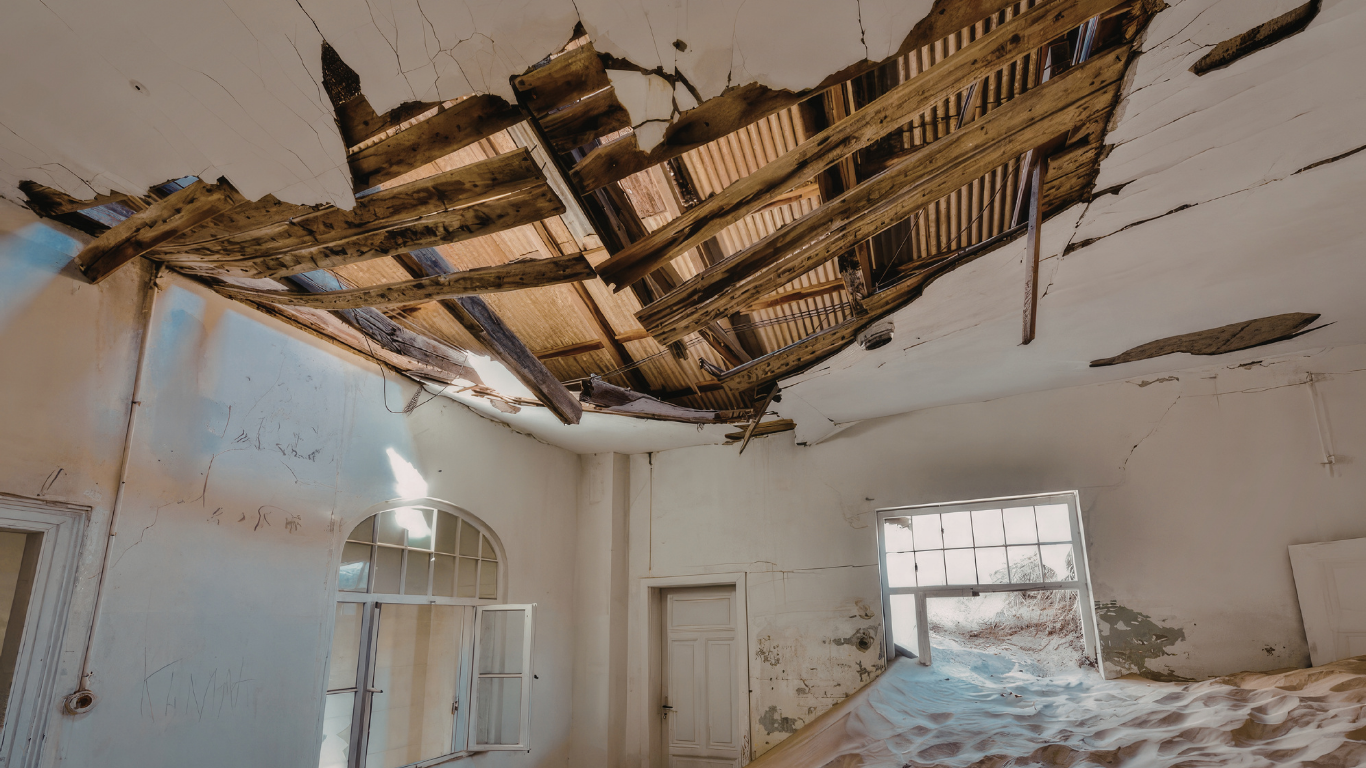
Court Orders New Trial Over Improperly Excluded Construction Expert Testimony
This case arises from damages suffered by a tenant after a ceiling collapse in their rental unit. One of the central issues at trial was the exclusion of testimony from a construction expert regarding the cause of the collapse, resulting in a reversal of the jury’s verdict on appeal

Court Reduces $779,318.66 Verdict Entered Against Stucco Subcontractor to $55,652.00
This case arises from a construction defect lawsuit and the general contractor’s indemnification claim against the stucco subcontractor. After trial the jury awarded the general contractor only a portion of the damages. When the trial court ultimately awarded a higher damages amount, the stucco subcontractor appealed.

Contractor’s Lien Against Condominium Association Partially Discharged for Failure to Foreclose Against Unit Owner That Filed Suit to Discharge Lien
This case arises from a construction lien recorded by a disaster mitigation contractor against condominium association property. When two unit owners filed a lawsuit to discharge the lien as to their property, the contractor failed to take action as required under 713.21, Florida Statutes, to foreclose the lien, resulting in a partial discharge of the lien.

New Statute Allows Out of State Inspectors and Plans Examiners to be Licensed in Florida During a State of Emergency
HB 803 (2026) created a new statue allowing out of state plans examiners and inspectors to assist building officials in Florida during a state of emergency

Amended Statute Would Allow Permits to be Issued in 5 Days for Work on Single Family Residences Valued at Less Than $15,000.00
HB 803 (2026) amends 553.792 to allow building permits to be issued in 5 days for certain work on single family residences under $15,000.00.

Proposed Statute Would Require Florida Building Commission to Establish Statewide Building Permit Applications for Commercial and Residential Projects
HB 803 (2026) amends 553.77, Florida Statutes, to require the Florida Building Commission to create a uniform, statewide building permit application for residential and commercial projects.
Recently Enacted Bill Exempts Certain Work Below $7,500.00 and Certain Hurricane Preparedness Work from Permitting Requirements
HB 803 (2026) amends Florida’s statutes regarding building permits to exempt certain work under $7,500.00 and certain hurricane preparedness efforts.

New Statute Removes Violations for Certain Unpermitted Work
HB 803 (2026) makes changes to a lot of statutes related to building permits and inspections. But from a licensing perspective, the bill makes a small revision to 489.129, Florida Statutes, which governs prohibited conduct by contractors.

Court Finds Enforceable Construction Lien Despite Incorrect Notice of Commencement
This case arises from a dispute between a window contractor and a homeowner and involves the issues that can arise when a contractor prepares the notice of commencement and the affect of errors in the notice of commencement on lien rights.

Amended Statute Changes Permit Expiration Times for Single Family Dwellings
Amendments to 125.56, Florida Statutes, alter the expiration deadlines of permits for residential dwellings.

New Statute Creates Safety Design Standards for Office Surgery Suites
HB 1175 (2026), creates a new section of Florida’s Building Code Act, and requires the Florida Building Code and Florida Fire Marshall to enact design safety standards for office surgery suites.

New Statute Alters Change of Occupancy Rules With Regard to Fire Protection and Suppression for Single and Two-Family Dwellings
SB 1452 (2026), creates a new subsection to the enforcement portions of Florida’s Building Code Act, and alters the laws applicable to changes of occupancy and fire protection requirements for certain single and two-family residences.
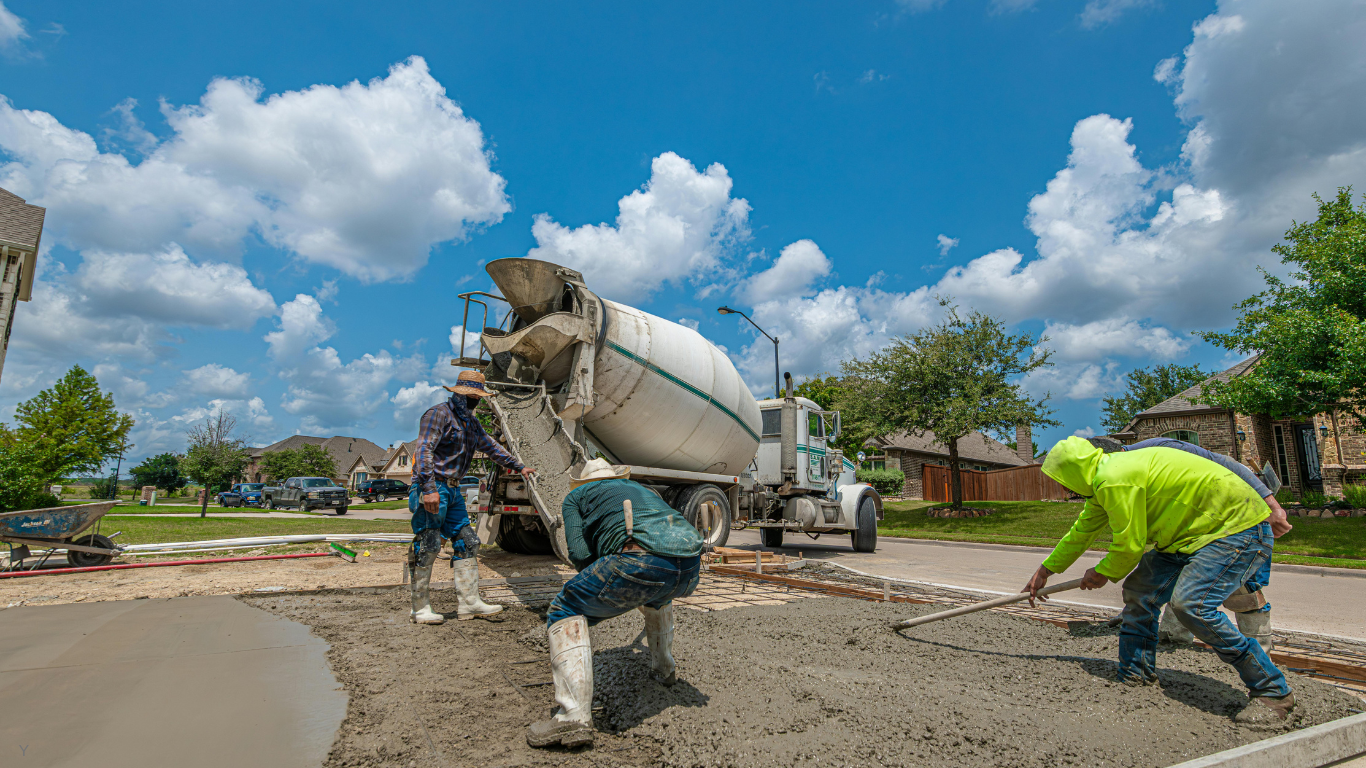
Court Finds Enforceable Settlement Agreement Between Subcontractor and Homeowner Despite Lack of Signature
This case arises from a dispute between a concrete subcontractor and a homeowner. After the parties negotiated a resolution by phone and email, the homeowners partially paid but failed to execute the settlement and release agreement. The subcontractor sued to enforce the unsigned agreement and to foreclose its construction lien.

Court Finds Third Party Servicing Company’s Purchase of Contractor’s Recieivables is an Unenforceable Assignment of Benefits Under 627.7152, Florida Statutes
This case arises from a third-party debt buyer’s attempt to enforce a mitigation contractor’s assignment of benefits against an insurance carrier. The court’s decision focuses on the enforceability of the contract between the third-party and the contractor, rather than the original assignment of benefits.

New Statute Adds Definitions to Contractor Licensing Statute and Require Contractors to Pay Subcontractors within Certain Timelines.
SB 290 (2026), adds definitions for subcontractor and supplier to Chapter 489 and make it a violation of Florida’s Contractor Licensing Statutes for contractors not to pay subcontractors timely.

Court Reverses Construction Lien Foreclosure over Procedural Concerns and Factual Issues Regarding Substantial Completion
This cases arises from a dispute over defectively installed HVAC units. After the trial court entered judgment in favor of the HVAC contractor without notice, the property owners appealed. The appellate court reversed the judgment finding that procedural issues and issues regarding whether the work was substantially complete precluded judgment

11th Circuit Affirms OSHA Citations Against Roofing Subcontractor for Actions of Sub-Subcontractors
This case arises from a roofing subcontractors appeal of two OSHA citations issued to it as a “controlling employee” of two sub-subcontractors.
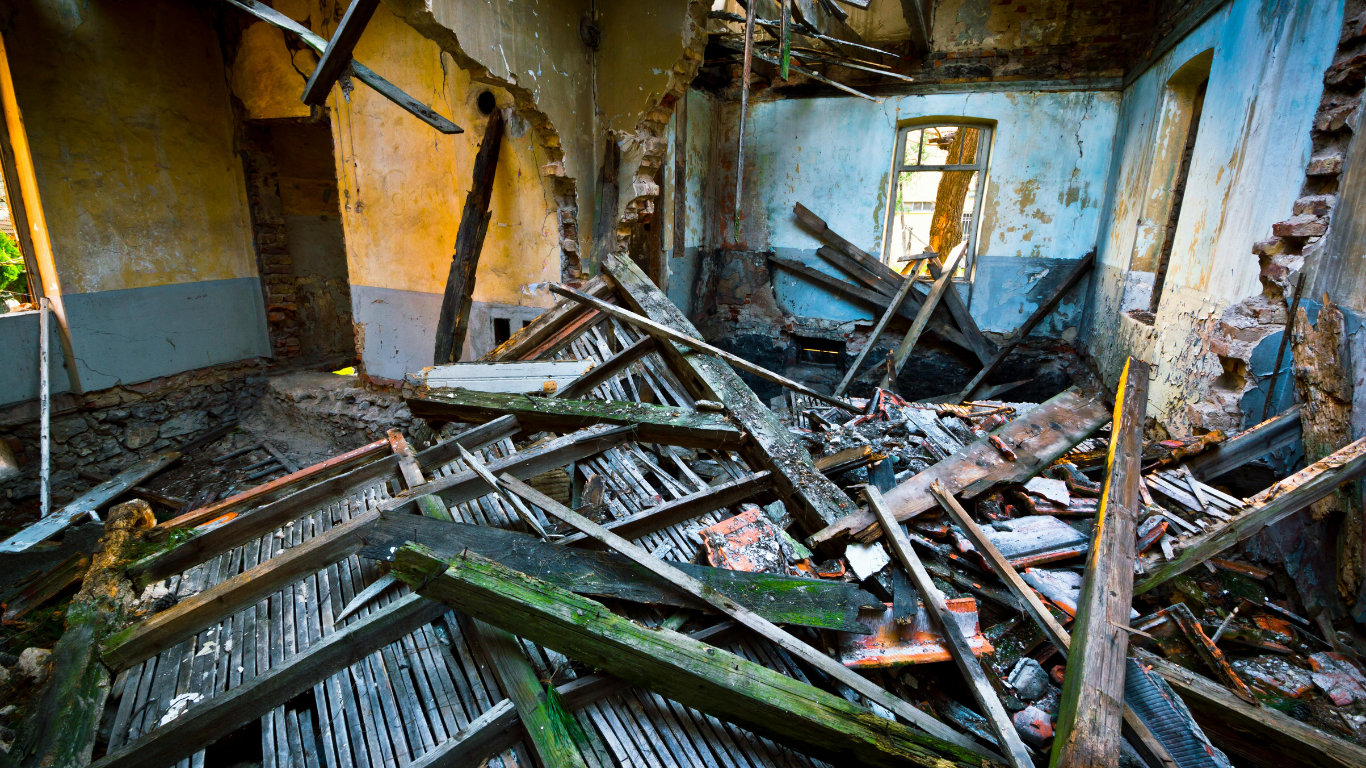
Court Reverses Dismissal of Water Mitigation Contractor’s Lawsuit for Failure to Comply with 627.7152(7), Florida Statutes
This cases arises from a dismissal of a water mitigation contractor’s lawsuit against an insurance carrier. The carrier argued that the mitigation contractor’s assignment of benefits did not comply with 627.7152, Florida Statutes, and while the trial court agreed with that argument, the ruling was reversed on appeal

Court Holds That Roofing Contractor Still Had Standing to Enforce Contract after Hiring Collection Agency to Recover Unpaid Balance
This case arises from a payment dispute between a roofing contractor and a homeowner. The roofing contractor hired a collection company to collect the unpaid contract balance and the homeowner argued in litigation that this only allowed the collection company, not the roofer, to sue the homeowner to recover the balance due.
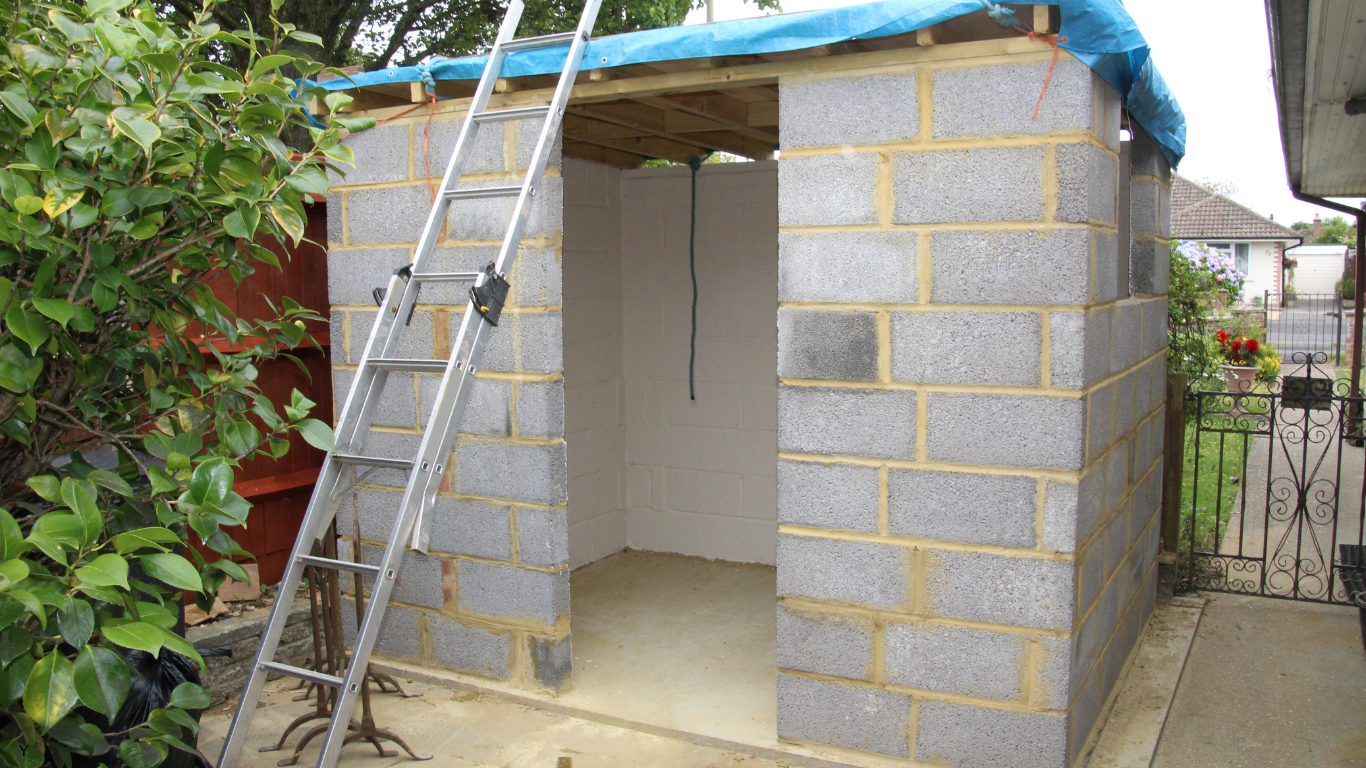
Court Reverses $86,000.00 Restitution Award Against Unlicensed Contractor
This case arises from a restitution order requiring an unlicensed contractor to pay a homeowner $86,000.00. The case explores the type of evidence required to support a restitution award.